


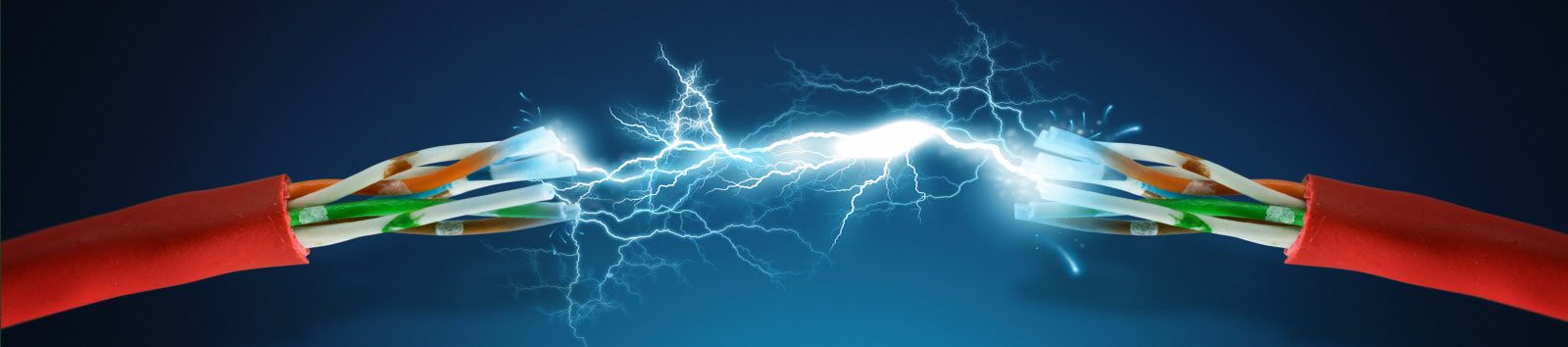

Electricity powers our homes, offices, and everyday devices, but it can also pose serious risks if not handled safely. Electrical shocks are a common hazard that can range from minor tingling sensations to life-threatening injuries. Sullivan Electric Services would like to cover how electrical shocks occur and taking preventive measures that is essential for protecting yourself, your family, and your property.
What is an Electrical Shock?
An electrical shock occurs when the human body becomes part of an electric circuit, allowing current to flow through it. The severity of the shock depends on factors such as:
• Voltage and current: Higher voltage or current increases the risk of injury.
• Duration of contact: The longer your body is exposed to electricity, the more dangerous it becomes.
• Path through the body: Current passing through the heart or brain can be fatal.
• Environmental conditions: Wet surfaces or damp hands increase conductivity and risk.
Even low-voltage shocks can cause muscle contractions, burns, or secondary injuries from falls. High-voltage shocks, commonly from industrial equipment or downed power lines, can be fatal.
Common Causes of Electrical Shocks
Electrical shocks can occur in a variety of everyday situations. Exposed wires, frayed cords, or deteriorated insulation increase the risk of accidental contact with live electricity. Ungrounded outlets fail to provide a safe path for excess current, increasing shock risk. Kitchens, bathrooms, or outdoor areas where water is present are high-risk zones. Plugging too many devices into a single outlet can lead to overheating, sparking, and shocks. Untrained attempts to fix wiring or install devices can easily result in accidental shocks.
Signs Your Home May Have Electrical Hazards
Recognizing warning signs can help prevent shocks before they occur:
• Flickering lights or frequent breaker trips.
• Buzzing sounds or burning smells near outlets or switches.
• Warm or discolored outlets.
• Sparks when plugging or unplugging devices.
• Outdated or damaged wiring.
If you notice any of these signs, it is important to contact a licensed electrician immediately.
How to Prevent Electrical Shocks
Preventing electrical shocks requires a combination of proper maintenance, safe practices, and professional guidance. Always have electrical work performed or inspected by a licensed professional to ensure safety and code compliance. Install GFCIs in bathrooms, kitchens, garages, and outdoor areas. These devices detect current leaks and shut off power instantly, preventing shocks. Keep electrical devices away from wet areas and never touch outlets or appliances with wet hands. Schedule routine inspections to identify outdated wiring, overloaded circuits, or damaged outlets before they become hazardous. Avoid overloading outlets, use cords in good condition, and never run cords under carpets or through doorways. Teach children and adults about the dangers of electricity and safe usage of appliances.
Electrical & Lighting Services in Snellville, Lithonia, Decatur, Stone Mountain, Conyers, Covington & Metro Atlanta, GA & Surrounding Areas
Electrical shocks are a serious safety concern that can result from common household hazards, faulty wiring, or improper handling of electrical equipment. Understanding the causes, recognizing warning signs, and taking preventive measures can greatly reduce your risk. For electrical inspections, repairs and more, contact Sullivan Electric Services today.
